In the world of metallurgy, slag is often seen as a by-product — a leftover material from the production of metals like steel and ferro alloys. However, this perception is rapidly changing.
Today, leading manufacturers like ATIVEER FERRO ALLOYS PRIVATE LIMITED are redefining slag not as waste, but as a valuable industrial resource with multiple applications across construction, cement, and road industries.
What is Slag?
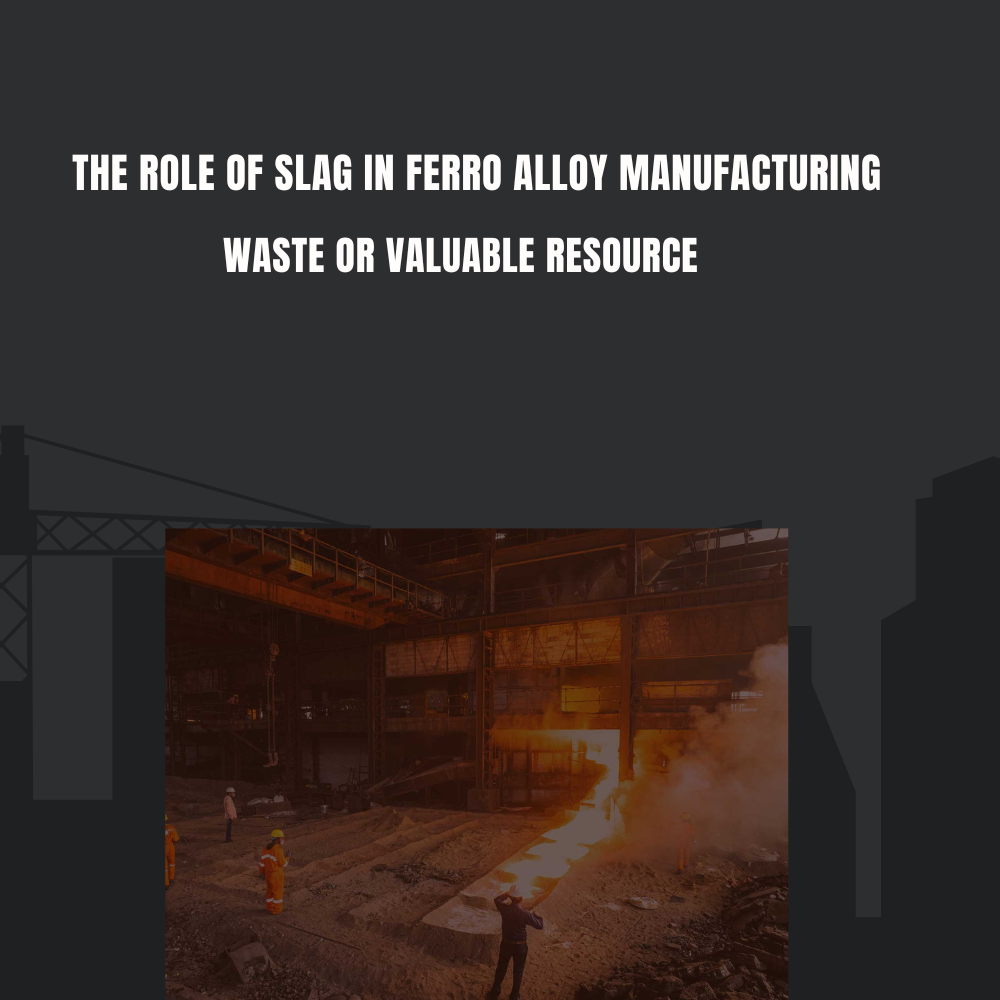
Slag is a non-metallic by-product formed when impurities in raw materials combine with fluxes during the smelting or refining of metals.
In ferro alloy production, slag consists mainly of oxides of calcium, magnesium, silicon, and aluminum, which separate from the molten metal during processing.
Why Slag is Not Just Waste
Earlier, slag disposal was a challenge for many industries. But with modern research and innovation, companies like ATIVEER FERRO ALLOYS PRIVATE LIMITED are turning slag into an eco-friendly and economically beneficial material.
1. High Mineral Content
• Rich in oxides of calcium, silica, and manganese, which are useful in cement and road construction.
2. Excellent Binding Properties
• Acts as a natural binder in concrete and asphalt applications.
3. Environmentally Safe
• When treated properly, slag is non-hazardous and promotes sustainable construction.
4. Cost-Effective Resource
• Reduces the need for natural aggregates and raw materials.
Conclusion
ATIVEER FERRO ALLOYS PRIVATE LIMITED, we view slag as an opportunity to innovate, recycle, and lead the path toward sustainable manufacturing.
Through advanced processing, environmental responsibility, and continuous R&D, ATIVEER ensures that our production processes remain efficient, eco-friendly, and future-ready.